
Downtown's Towers, Counted Honestly: What the Skyline Doesn't Tell You
From the Foshay Tower's observation deck, downtown Minneapolis looks complete. At street level the recovery is real but unfinished. This desk spent the fall separating the two stories.
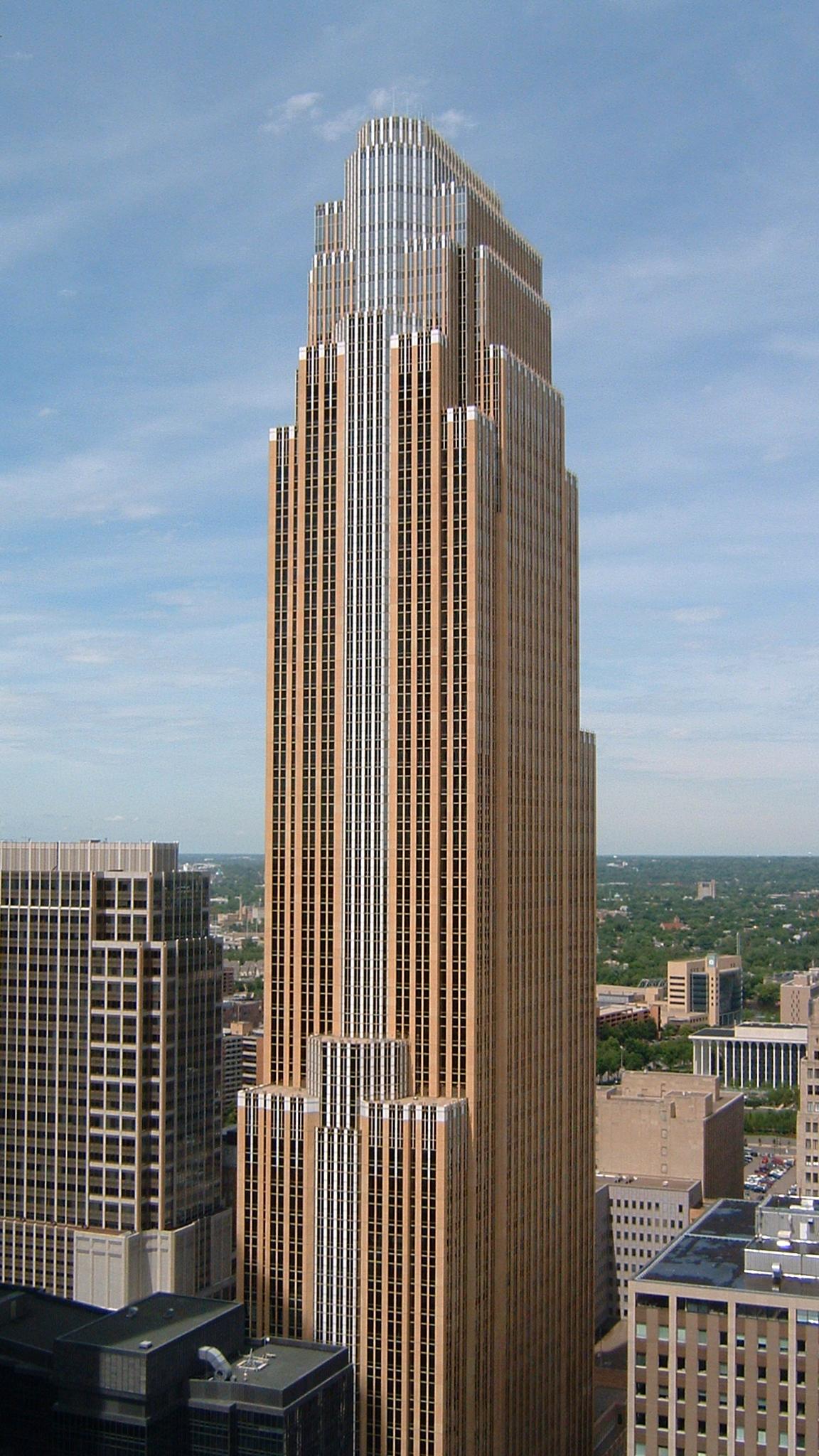
The view from the Foshay Tower is the first exhibit in every argument about downtown Minneapolis. Look east and the Wells Fargo Center's lit crown and the Capella Tower's halo ring a skyline that reads, from 30 floors up, as fully recovered — handsome, dense, done. This investigation began with a simpler discipline: walk the same blocks at street level, count what is open, and compare the two cities. They are both real. They are not the same city.
The towers' story is occupancy, and it is more complicated than either cheerleaders or doom-sayers allow. Downtown's biggest employers have consolidated into less space as hybrid work schedules emptied floors that leases signed before 2020 assumed would be full. Some buildings have answered with amenities and renovation; others, particularly older towers off the Nicollet core, face the arithmetic of conversion to housing or sale at reset values that would have been unthinkable a decade ago. The skyline photographs beautifully. The rent roll is the document that matters, and it varies block by block.
The street's story runs through the skyways. Because the second-level system is privately owned building by building, its hours and openings have become a proxy census of downtown's health: segments that once ran late for theater and game crowds now close with the office day in buildings whose retail has thinned, while the blocks around Target Center, the Nicollet Mall and the riverfront run measurably livelier. A downtown is, in the end, a schedule — the hours its doors are open — and Minneapolis's schedule has shortened even where its buildings have not.
The counter-evidence is substantial and this desk reports it plainly: residential population downtown has grown for two decades and kept growing through the office downturn, the warehouse district and North Loop across the tracks are the region's most competitive dining and housing markets, and the sports calendar at three downtown venues guarantees the sidewalks their biggest nights. The recovery is not a rumor. It is a geography — strong at the edges and the river, contested in the office core.
Through the winter this desk will publish the block-by-block count: storefronts open and dark, skyway hours as posted, conversion permits filed, and the assessed values the county itself puts on the towers. Downtown Minneapolis is too important to be argued about from photographs. We intend to argue about it from evidence.