The Stone Arch Bridge Still Carries Minneapolis
Built by James J. Hill in 1883 to carry trains over St. Anthony Falls, the only stone arch bridge on the entire Mississippi now carries the city's walkers, runners and skyline photographers.
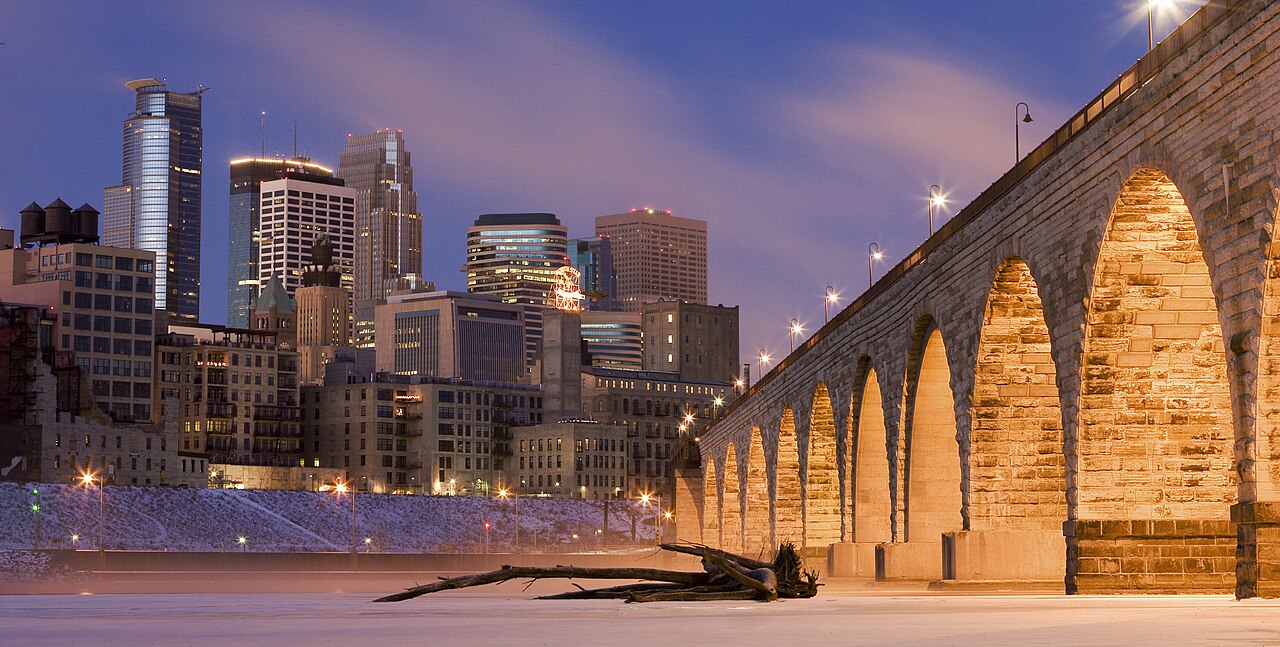
Every city gets one photograph that explains it, and Minneapolis's is taken from the middle of the Stone Arch Bridge: the downtown skyline across the water, St. Anthony Falls churning below, the old mill district stacked along the bank. The bridge that frames that view has been carrying Minneapolis since 1883, when railroad baron James J. Hill built it to bring his Great Northern Railway into a new Union Depot.
The engineering still impresses engineers. Twenty-three arches of native granite and limestone stretch 2,100 feet across the river below the falls, in a gentle curve that makes the bridge the only one of its kind — stone, arched — on the entire length of the Mississippi River. It carried passenger trains for most of a century, into the era when the milling district it served had already begun its long transformation.
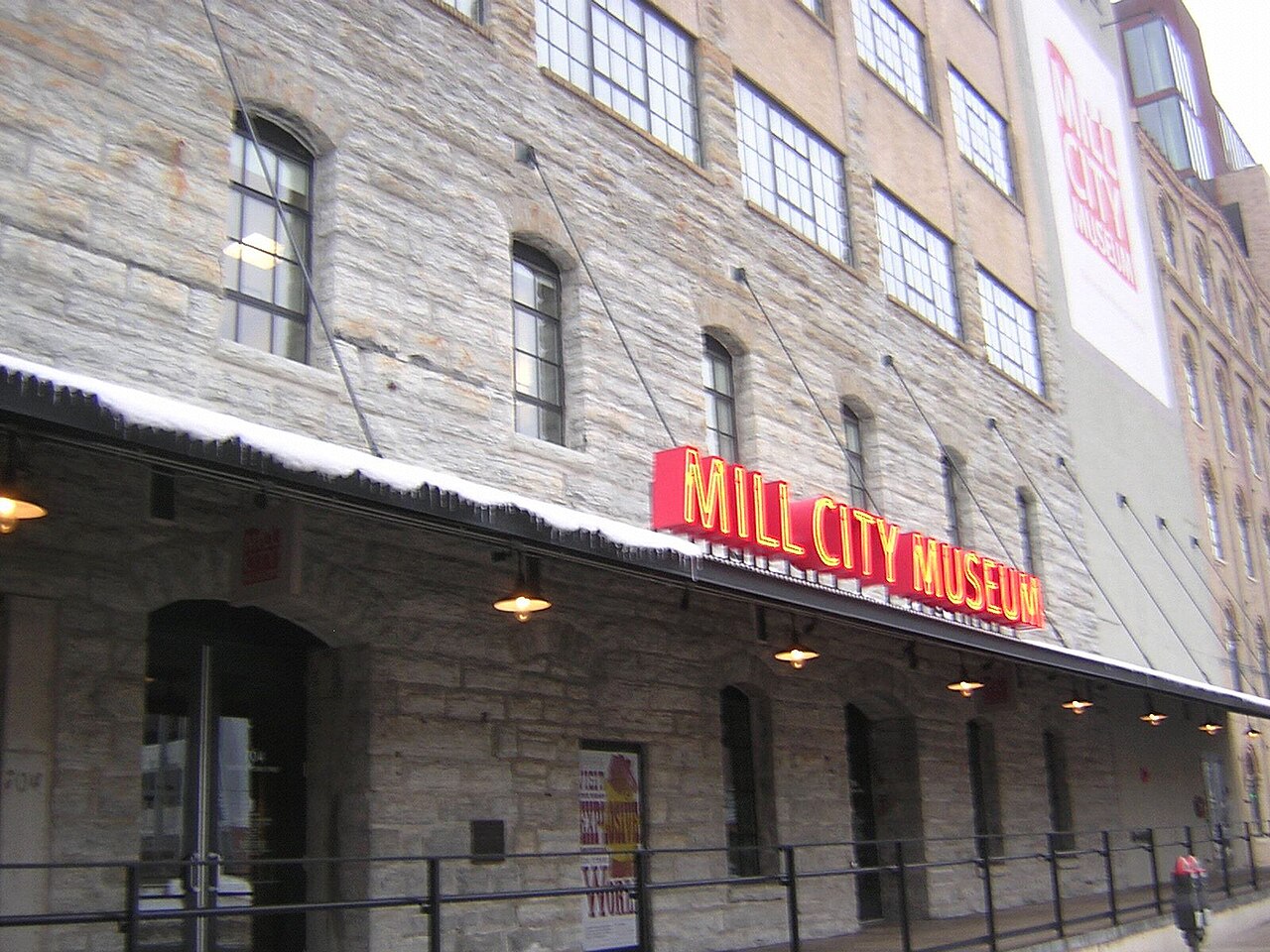
That transformation is the bridge's second career. Retired from rail service, the Stone Arch reopened in the 1990s as a pedestrian and bicycle crossing, and it became the hinge of the riverfront's reinvention: Mill Ruins Park and the Mill City Museum on the west bank, St. Anthony Main and its restaurants on the east, the Guthrie Theater's cantilevered lobby reaching toward the water a few blocks south. The Stone Arch Festival of the Arts fills its approaches every Father's Day weekend.
November is when the bridge changes character. The festival crowds are gone, the tour boats have stopped running the lock, and the crossing belongs to the year-round faithful — runners in balaclavas, commuters on studded tires, and anyone willing to stand in a northwest wind for the skyline at dusk. The falls run loud under the arches, and the first ice begins its work at the edges of the current.
Hill built the bridge to move wheat and timber money into a milling boomtown. A century and a half later it moves something else: the daily proof that Minneapolis is a river city, kept in granite. Walk it before the deep cold arrives. Then walk it again in January, when it is even better.