Mill City Museum Keeps the Flour Dust in the Story
Inside the burned-out shell of the Washburn A Mill, the museum tells how St. Anthony Falls made Minneapolis the flour capital of the world — and what it cost.
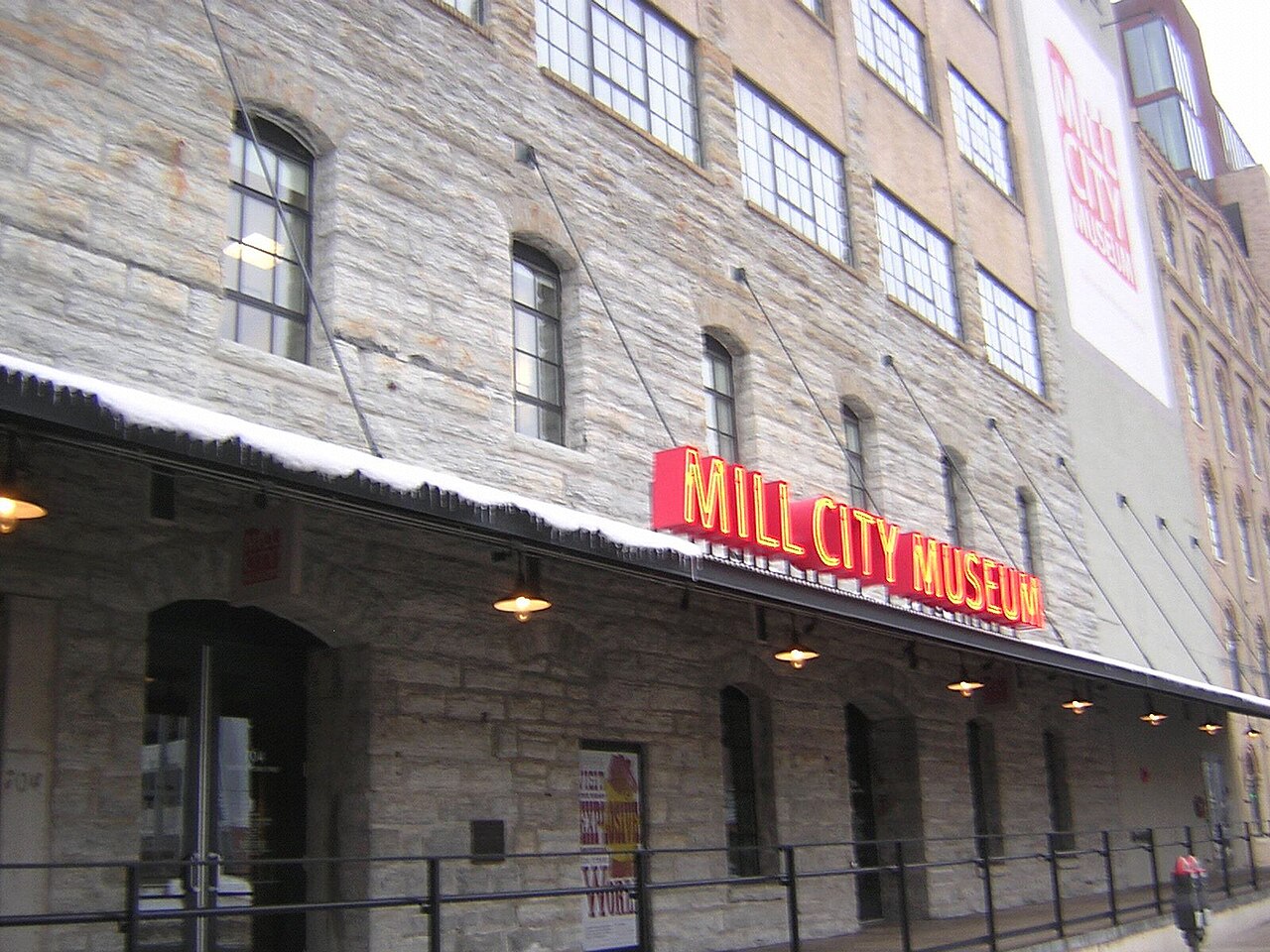
The most honest museum in Minneapolis is a ruin with a roof problem solved by leaving it open. The Mill City Museum stands inside the remains of the Washburn A Mill, once the largest flour mill on Earth, which exploded in 1878, was rebuilt, milled on into the middle of the twentieth century, and then burned in 1991 after years standing empty. The Minnesota Historical Society opened the museum inside those stabilized limestone walls in 2003, and the ruin itself remains the main exhibit.
The story the museum tells is the city's founding economics. St. Anthony Falls — the only major waterfall on the Mississippi River — gave Minneapolis waterpower, and the Washburn and Pillsbury mills on either bank turned that power into flour on an industrial scale. By the 1880s Minneapolis led the world in flour production, a title it held for decades, and the Gold Medal and Pillsbury brands that still sit in American kitchens began in these mill yards.
The signature experience is the Flour Tower, a freight-elevator ride that carries visitors through eight floors of the working mill's ghost, stopping at the machinery, the dust and the human voices of the place — including the sobering account of the 1878 dust explosion that killed 18 workers and leveled mills across the district. The museum does not sand the edges off the industrial story, and it is better for it.
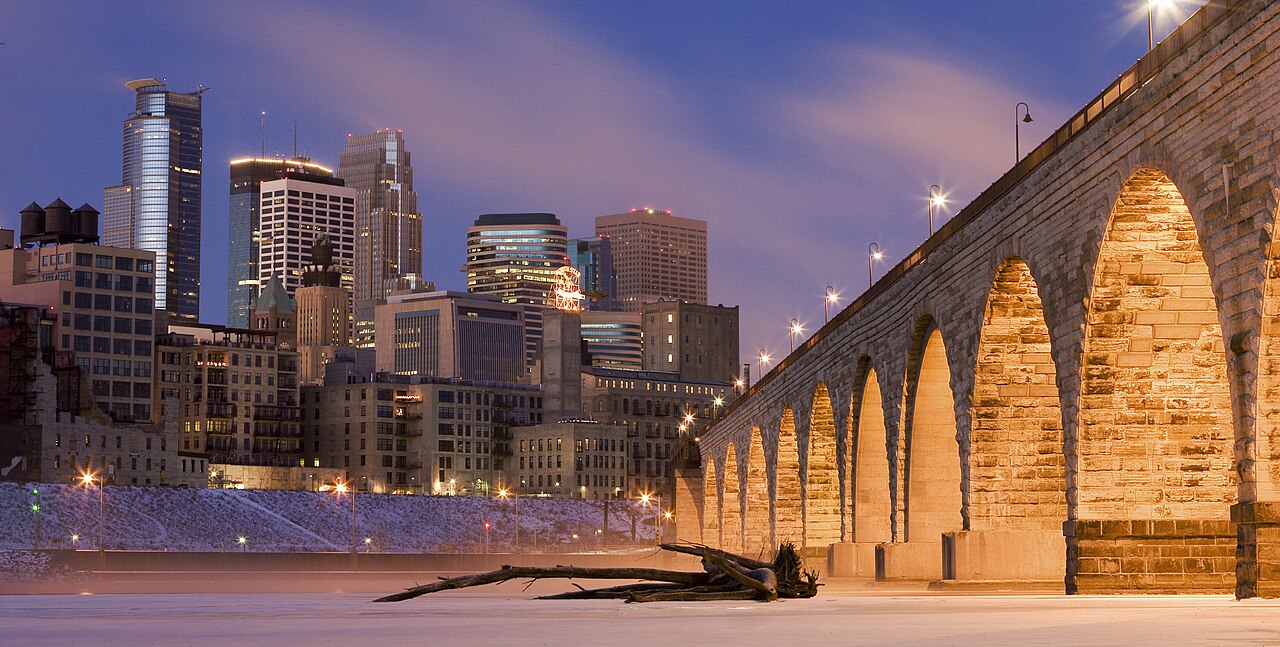
Above it all, the ninth-floor observation deck looks straight down at the falls and across to the Stone Arch Bridge, which is the whole Minneapolis argument in one view: power, flour, rail and river. School groups fill the building on weekday mornings, and the Ruin Courtyard between the walls hosts concerts and markets under open sky in the warmer months.
In a downtown that has reinvented itself repeatedly, the museum's job is memory — the insistence that the skyline across the river exists because men ground wheat beside a waterfall, and that some of them did not come home. It is the right first stop for anyone who wants to understand why Minneapolis is here at all.