Minnehaha Falls Waits for Winter's Frame
The 53-foot falls Longfellow made famous is entering its most dramatic season, when the crowds thin, the creek runs dark and the ice begins its slow architecture.
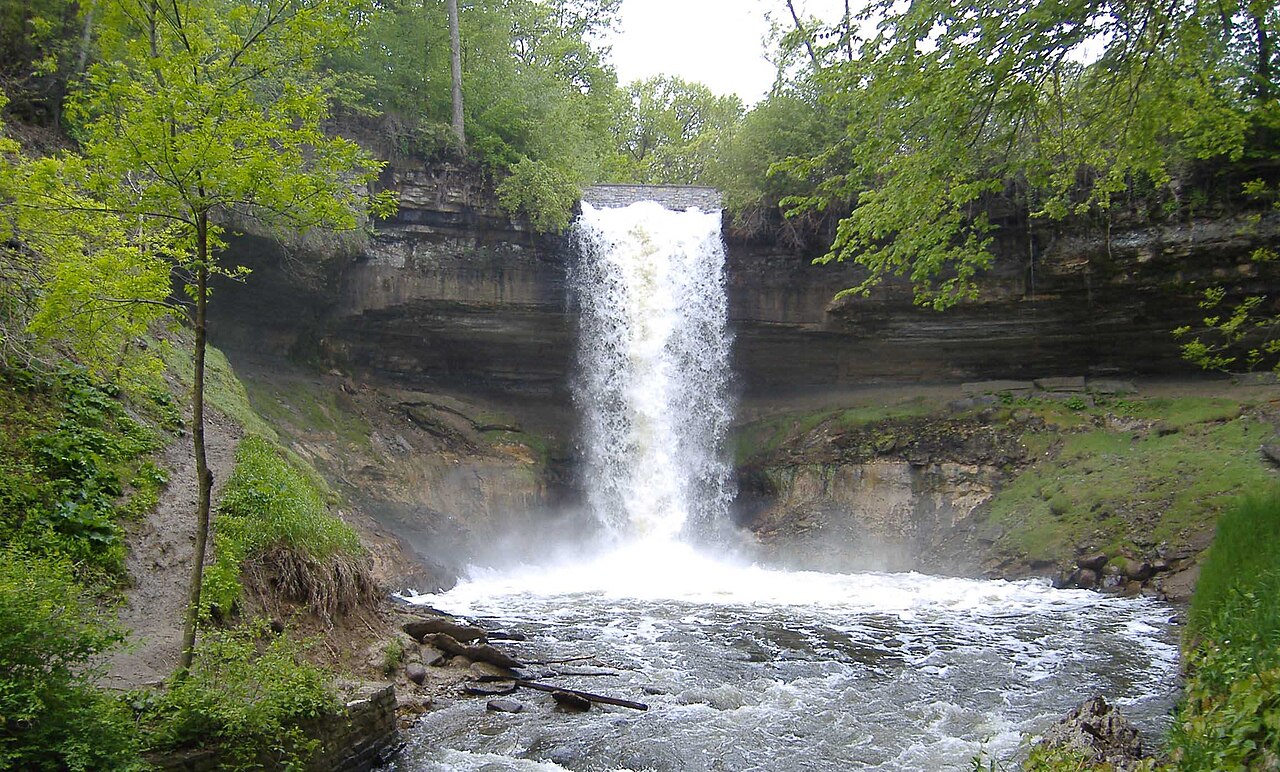
Minnehaha Park is Minneapolis showing its oldest work. The 53-foot waterfall on Minnehaha Creek, a short walk from where the creek meets the Mississippi, was a tourist attraction before Minnesota was a state — and Henry Wadsworth Longfellow's Song of Hiawatha, which borrowed the falls' Dakota name and legend without Longfellow ever visiting, made it famous on two continents.
The park around it, designed in 1883 by landscape architect Horace Cleveland as part of the Grand Rounds scenic byway system, is one of the oldest in the city's celebrated park system. Its 170 acres hold the falls, the gorge below it, the Minnehaha Depot, the John H. Stevens House and miles of trail connecting to Fort Snelling and the river bluffs. In summer the wading creek below the falls is the city's favorite shallow water. In November, the park changes registers.
The cold season is when regulars claim the falls are best. The summer crowds vanish. The water runs tea-dark over the lip, mist rises off the plunge pool on cold mornings, and as winter deepens the falls build the ice formation climbers and photographers wait for — a frozen curtain behind which the creek keeps moving, audible through the ice. The gorge trail below, shaded and north-facing, holds its winter long after the streets above have thawed.
The falls have practical moods as well: Minnehaha Creek's flow depends on Lake Minnetonka's outlet far upstream, and in dry autumns the falls can thin to a veil, while wet years send a roar under the stone bridge. Either version rewards the visit. The park sits on the Metro Blue Line at Minnehaha Park station, which makes it the rare wilderness-feeling destination reachable by light rail.
Stand on the bridge above the lip this month and the city's bargain is clear: a waterfall in a gorge, inside a city of lakes, ten minutes from downtown by train. Longfellow never saw it. Minneapolis sees it every day, and in winter, sees it best.