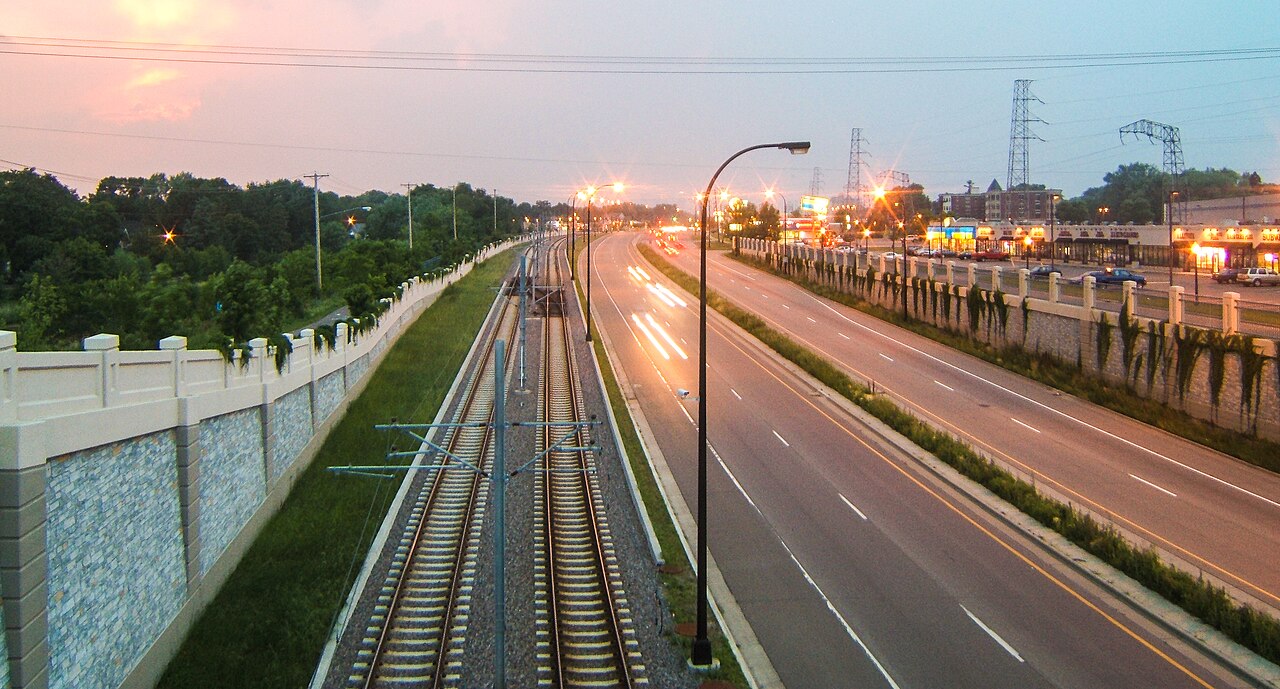
The Blue Line at 38th Street: A Neighborhood Ride Into Downtown
One station platform in south Minneapolis explains the whole Metro system — who rides it, why it works, and what Election Day and a Vikings Sunday do to the same set of doors.
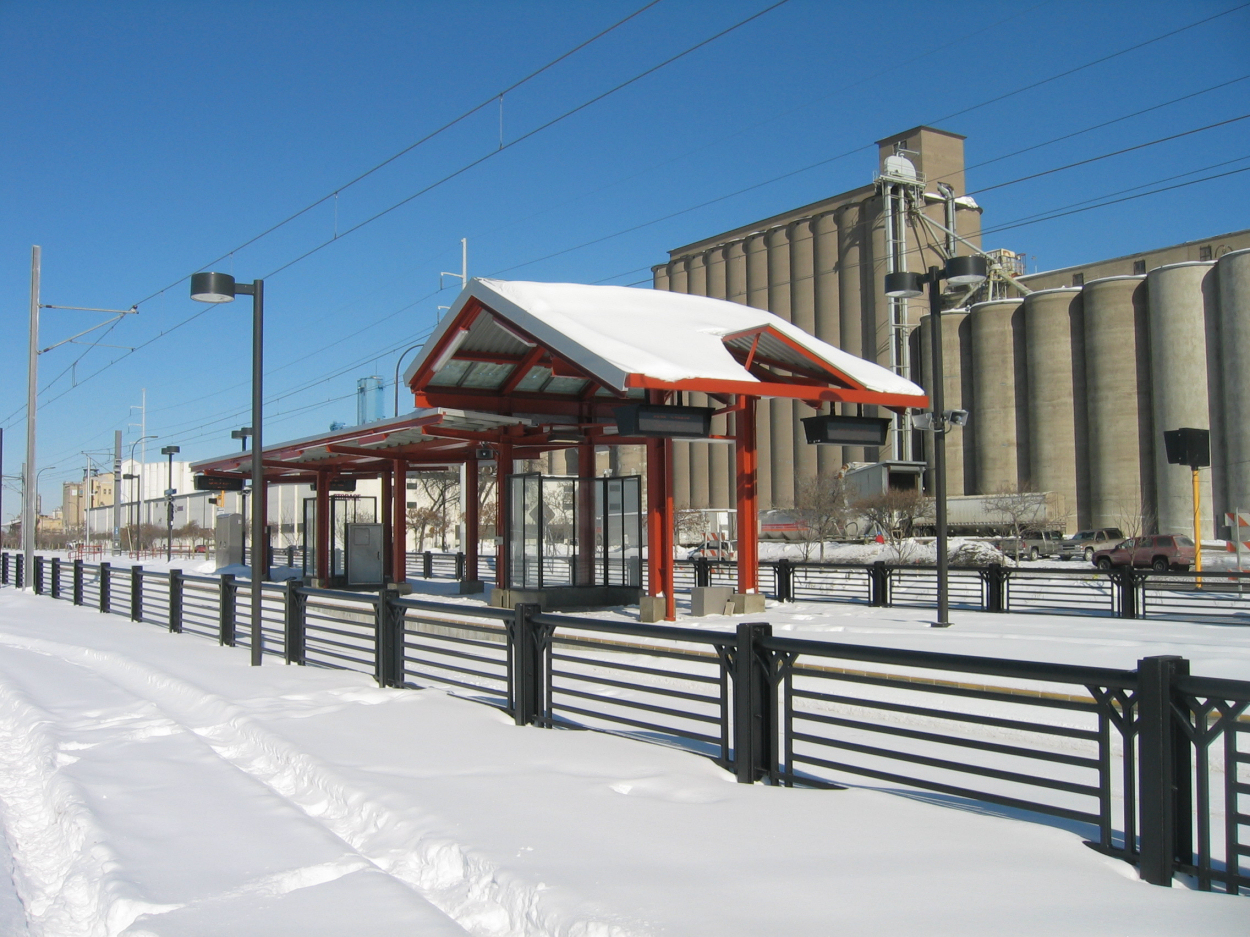
Stand on the 38th Street station platform at 7:40 on a weekday morning and the Metro Blue Line explains itself without a brochure. The platform fills with the Standish and Ericsson neighborhoods on foot and by bike: hospital and university workers headed downtown, airport employees riding south, students with backpacks, and — because this is Minneapolis — at least one person in full winter kit in November, vindicated by noon.
The Blue Line is the region's transit spine and its proof of concept. Opened June 26, 2004, as the Hiawatha Line — Minnesota's first light rail service after a half-century of buses — it runs 12 miles from Target Field station in downtown Minneapolis to the Mall of America in Bloomington, through the airport's two terminals, which it connects with free 24-hour service. Renamed for the Metro system's color-coded map in 2013, it shares its downtown tracks with the Green Line to St. Paul, doubling frequencies where the two cities' riders mix.
A station like 38th Street is also a piece of neighborhood infrastructure in the unglamorous sense: a lit, maintained, predictable place that anchors its corner. The corridor's station areas have drawn apartments, a grocery-anchored retail node at Lake Street a stop north, and the steady conversion of a highway's edge into something closer to a street. Transit-oriented development is a planner's phrase; on the platform it just looks like neighbors.
The system's stress tests are civic, not mechanical. Election Day sends poll-bound riders through downtown stations. A Vikings Sunday pours the U.S. Bank Stadium crowd onto the shared downtown segment. The first snow emergency fills trains with drivers who have done the math on parking bans. The Blue Line absorbs all of it at twelve-minute intervals, which is what infrastructure is for.
Twenty-one years in, the argument the line was built to settle is settled: give Minneapolis a train that comes often, goes somewhere and runs in its own lane, and Minneapolis will ride it — from 38th Street, and everywhere else the platforms fill.