Target Field in Winter Is Still Working
The Twins' ballpark goes quiet after October, but the North Loop's anchor never really closes — and the view from its seats explains why Minneapolis put a ballpark downtown.
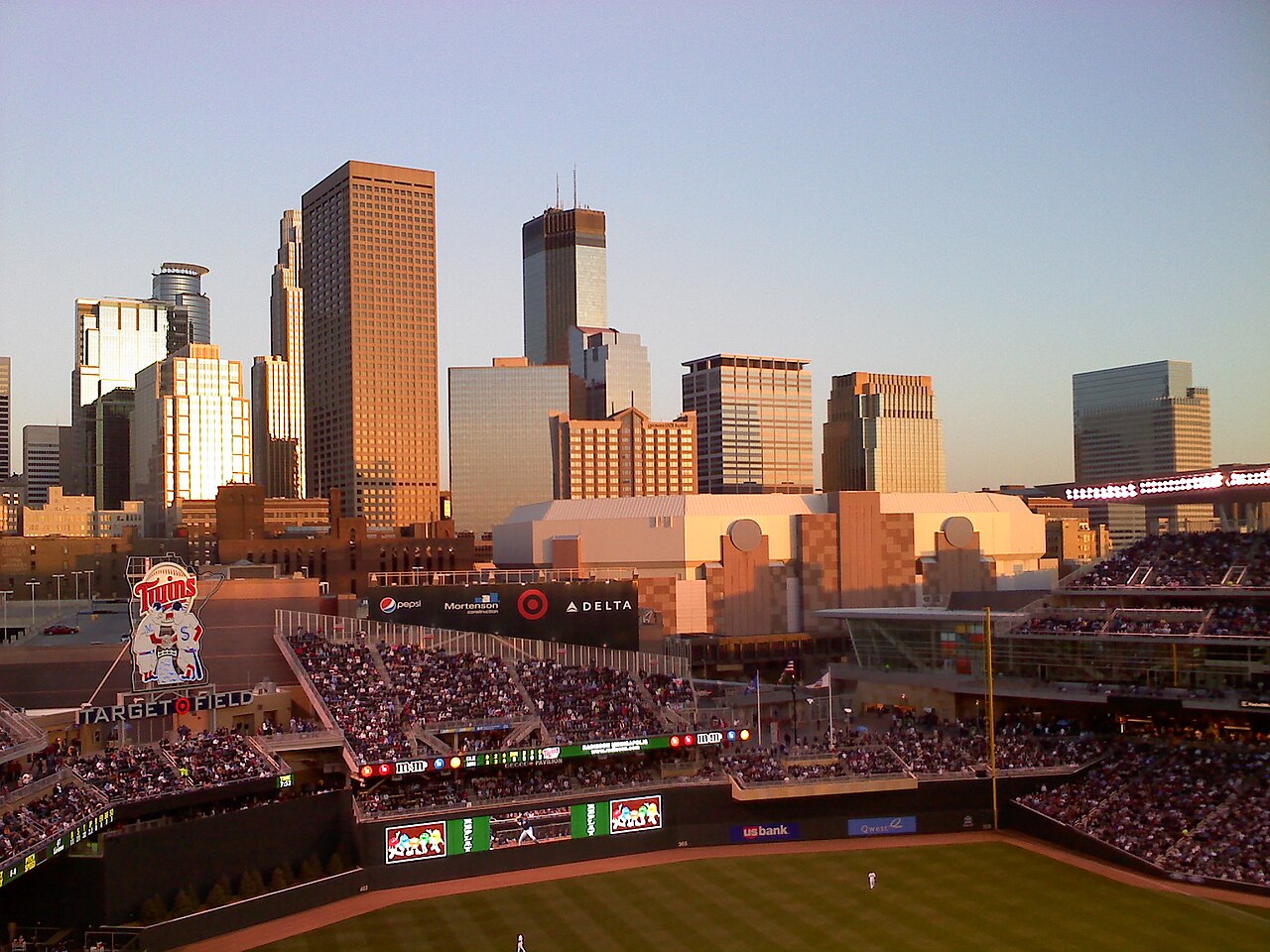
There is a photograph every Minneapolitan knows: the downtown skyline from Target Field, towers rising beyond the outfield as if the ballpark were a front porch the city built to look at itself. The Twins' home, opened in 2010 in the North Loop warehouse district, was designed for that view — an open-air limestone ballpark with no roof, in a state whose winters are famous, because the team and the city decided baseball should be played under the sky the skyline sits in.
November is the ballpark's quiet season, and the quiet is deceptive. The front office works the winter from the offices behind home plate: roster decisions, the arbitration calendar, the slow diplomacy of free agency that determines what April will look like. The grounds crew's work is the real winter craft — the field is put to bed under its cover, the irrigation blown out, the limestone scrubbed, and the whole building maintained against freeze and thaw so that a single warm week in spring can wake it in days.
The ballpark's neighborhood effect is the statistic that outlasts any season. The North Loop around Target Field and its light rail station — the shared terminus of the Blue and Green lines — has become the region's densest concentration of restaurants, offices and new housing, a transformation that tracks the ballpark's arrival too closely to be coincidence. Across First Avenue, the Timberwolves' Target Center keeps the district's winter calendar full, giving the neighborhood a two-season heartbeat few ballpark districts in America can match.
The Twins' own winter questions are the fans' annual liturgy: pitching, always pitching, and whether the young core that carried recent seasons can hold the division against Cleveland and Kansas City's spending. The American League Central is winnable in a way the coastal divisions are not, which is why November hope in Minnesota is not a delusion but a strategy the standings page supports most years.
For now the ballpark sits handsome and empty under the early dark, lights off, skyline on. It will fill again in April, when the whole state agrees to believe in summer. Until then, it does its winter job: holding the North Loop's place, and the season's promise, in plain sight.